Mythology and History
|

Society, Social Events, Attitudes, Customs
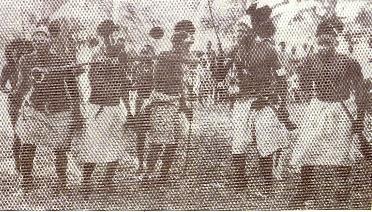
One would justly describe the Madi society as conservative but not fundamentalist. Socially Madi society is a closely knit entity. Family ties and relationships play pivotal role in the lives of the Madi. For instance it is traditionally forbidden to enter wedlock with any body where even a hair-thin relationship can be traced. On long journeys for example most of the time travellers will trace out where a daughter of a kinsman was married, for accommodation to rest over night, a sip of cold water or just greetings. This of course has become a nuisance in the modern day and time especially in urban areas.Social events and customs too are mostly celebrated or conducted within family structures and relations. In fact at this juncture one can say that the madi tradition and society thrives on “extended family ties”. Traditionally from birth to death a Madi is accompanied by rituals and customs. After birth a male baby(barago) is kept for three days in confinement with the mother and paternal aunts. The female baby(zaangwa) on the other hand is kept indoors for four days.During burial the last honours too are admonished with rituals. A man for example is traditionally never buried facing the opening of the grave but laid on his left arm. Only the women folk are buried face up. Should a young Madi man die without marriage and heirs, a sheep is tied to his tomb to symbolise the wife he never had. |

Clans | Location | Comments |
Acopele | Nimule | |
Adiba | Moli, Moli Andru*, Cukole | Possible origin Kuku |
Afodo | Erepi, Muruli, Moli, Bori Lagopi | |
Akunye | Moli and Moli Andru | |
Ale | Loa | |
Alu | Nimule, Mugali | |
Ali | Iriya (Loa) | |
Angunga | Mugali | |
Akunye | Moli, Malandru, Mejopandru (Borokorongo) | |
Bari | Bilinya (Mugali) | |
Beka | Bori (Opari), Malandu, Muruli, Ikwa (Erepi) | Also among the Bari as Bekat |
Cera | Loa, Mugali | Also among the Kuku |
Dedi | Iyii, Moli, Malandru | |
Degi | Malandu, Moli, Erepi | Also among the Kuku and Kakwa of Gulumbi |
Dugo | Erep, Moli Andru, Muruli (Cukole) | Also among the Kuku |
Dungo | Moli, Mejopadrani (Borokongo), Iyi, Bori, Winalonga | Known as Dung, from Bari |
Edre | Nimule | Predominantly blacksmiths |
Eremu | Spread throughout Ma’diland | Predominantly blacksmiths. Not considered ‘pure’ clan as made up of blacksmiths from various clans. |
Eremu Weli | Male (Opari) | |
Gimeri | Nimule | |
Gonyapi | Nyongwa Gwere, Bori, Musura, Erepi (Lungayo), Moli, Iyi | |
Gunyia | Bori (Opari), Male, Mejopadrani (Borokorongo), Moli | Blacksmiths |
Ijupi | Erepi, Moli andru, Moli, Bori (opari), Iyi | Also among the Kuku |
Itopele | Nimule | |
Jeru | Bori (opari), Arapi, Loa, Mugali, Moli Andru | Also among the Kuku |
Kamia | Arapi, Loa, Nimule, Mugali, Malandu, Nyongwa Opi, | Also among the Kuku |
Kande | Moli Andu, Erepi | |
Kiloloro | Moli, Moli Andru, Erepi, Lungayo, Pageri, Male, Bori-Opari, Arapi, Nimule, Mugali, Patibi, Winyalonga. | Also among the Kuku. Yes, I visited Kiloloro in along Leikor-Kajokeji road while living in Kajo Keji |
Koyi | Nimule | |
Lamude | Bori | |
Lira | Bori | |
Logili [Lojili] | Moli, Iyi, mejopadrani, Malandu, Bori, Loa, Mugali | Also among the Ma’di of Uganda |
Logopi | Logopi, Nyongwa Gwere, Bori, Borimvuku, Pageri, Mugali, Erepi | Claims of Bari origin |
Lomura | Bori, Male | |
Lubule | Muruli, Moli Andru | Also among the Kuku |
Lulubo | Moli, Bori, Patibi, Pakworo, Liokwe | |
Metu | Mugali, Bori, Moli Deretu | |
Mijale | Bori, Male, Cukole | |
Moje | Malandu, Muruli, Deretu, Loa | Also among the Kuku and Bari |
Monocu | Moli, Malandu, Iyii | Possibly Nyongwa, though believed their ancestor flowed down the Nile |
Moyo | Bori, Male | |
Mugi | Moli, Malandu, Erepi, Bori, Winyalonga, Liokwe, Iyi | Also among the Kuku and Bari |
Mu’jopele | Nimule | |
Murupele | Nimule | |
Ndogo | Bori, Male | |
Ngaya | Opari | Origin Bari. Also known as Paibonga. Some of the members claim to be Acholi now. |
Nyai | Moli, Moli Andru, Iyii, Erepi, Bori, Muruli | Claim Bari origin. Possibly related to Nyaing of Bari |
Nyamudi | Bori, Musura | Neighbours to Ngaya |
Nyori | Bori, Male | |
Odrukpwee | Mugali, Loa, Nimule, Erepi | Also among the Aru of Lolubo, forming the ruling dynasty there of Daba |
Ogoropi | Ikwa, Agaduma | |
Ogowa | Nimule | |
Omunya | Malandu, Erepi, Muruli | |
Orobe | Loa, Bori, Male, Pakworo | |
Orolo | Iyi, Bori, Winyalonga | Those among the Acholi trace their origin to Ukeyi of Moli. Originally members of Ifogo’s family of Korokodia, Muruli. The Omeyo and Palabek , Panyikwara sections seem to have totally assimilated into the Acholi. |
Owoyo | Nyongwa Opi | |
Oyapele | Nimule | |
Pa Adiga | Ludiri Muruli, Cukole | |
Pa Amulu | Loa, Nimule, Mugali | |
Pacara | Mugali, Nimule | Also among Ugandan Madi |
Pacunaki | Mugali, Nimule | Also in Uganda |
Padiga | Mugali, Loa | |
Padrombe | Pageri, Agaduma, Loa, Arapi, Patibi, Nimule, Bori, Pakworo | Also among the Kuku |
Padriga | Pageri, Arapi, Loa, Bori, Nimule, Mugali | Also in Uganda |
Pageri | Pageri, Arapi, Loa, Bori, Nimule, Mugali | Crazzolara suggests they previously lived west of Lipul mountain of Lafon |
Pajali | Loa | |
Pajawu [Pajau] | Bori, Pakworo, Winyalonga, Borimvukuu | Migrated from Pakele, settling first in Moli, then to Opari in 1935. Some in Opari claim to be Acholi now. |
Pakala | Loa, Bori | Majority Also in Dzaipi. Possibly linked to the Pakala of Panyikwara, who claim to be Acholi |
Pakoli | Moli, Malandu, Bori | Land purifying clan |
Pakurukpwe | Nimule | |
Pakori | Arapi | Believed to have floated down the Nile |
Palaa | Bori, | Also among the Acholi as Paliec, and among the Lolubo as Pabala |
Palinyi | Arapi | |
Paloi [Palowi] | Moli, Deretu, Moli Andru, Loa, Bori, Mugali | |
Palore | Nimule, Erepi | |
Palorinya | Mugali | Also in Uganda |
Paluda | Moli Andru, Muruli, Erepi, Bori | |
Palungwa | Mugali, Arapi | Believed to have migrated from the Bari |
Paluru [Pa’aluru] | Loa, Mugali | |
Pamajwa | Nimule | |
Pambili | Liokwe, Male | Land purifying clan |
Pameri | Nimule, Loa | Also in Uganda |
Paluda | Moli Andru, Muruli, Erepi, Bori | |
Pamoto | Nimule, Melekwe (Loa), | Section migrated to Bibia |
Pamulu | Mugali | Also in Pacilo, Acholi in Uganda |
Pamuru | Mugali | |
Pandikeri | Bori, Erepi | A section migrated to Abalokodi in Uganda in 1930s during maacika joloro famine. Originally from Olwal Parabongo, near Gulu |
Panyorojo | Loa | |
Paratiki | Bori | Branch of Pakala. Claim their ancestor fell from heaven |
Paridi | Arapi | |
Parombi | Illuma (Loa) | |
Paselo | Patibi, Mugali, Loa | |
Patibi | Spread throughout though mostly Also in Patibi, Bori, Erepi, deretu, Moli Andru, Pageri, Arapi, Loa, Nimule, Mugali | Possibly the largest clan in the Sudan. A section crossed into Uganda in 1930s, and are today Also in Bibia, Patibi, Abalokodi, Pacilo and Atiak. A section Also among the Kuku. Believed to have originated from near Chubul or Ondiro mountain north west of Torit. Some are Also among the Otuho in Katire, and Imatong |
Pavunde | Bori, Patibi | Most have migrated to Paracele in Uganda |
Pavura | Loa, Nimule, Bori | Also in Uganda |
Pavuri | Loa | |
Payoko | Winyalonga, Pakworo, Bori | Prefer to speak Acholi |
Puceri | Kureru (Mugali), Loa, Nimule | |
Tedire | Erepi, Bori, Male | |
Udupi | Erepi, Cukole | |
Ukeyi | Moli, Malandu, Erepi, Bori, Liokwe | |
Urugu | Erepi, Loa, Nimule | Also in Uganda |
Utuno | Erepi, Bori | |
Vura | Also in Uganda | |
Palubanga | Arapi, Loa | |
Ijupi | Ejipi [in Kuku] Located: Litoba along Sudan-Uganda border |
Clans in Uganda
Location | Clans | Comments |
Adjumani – Adropi Division | ||
Adropi sub-division | Paridi | Also in Sudan |
Koze ze, Pakondo, Lajopi, Mokolo, Ma’di, Odrunapi, Palore | ||
Pacara Pakondo [Adjumani] | Also in the Sudan | |
Oyuwi | Burulo speakers in Uganda | |
Dzaipi sub-division | Pagirinya, Pameri, Ajugopi, Angwarapi, Arinyapi | |
Itopele | Also in the Sudan | |
Oyapele | Also in the Sudan | |
Acopele | Also in the Sudan | |
Mujopele | Also in the Sudan | |
Pakele division | Lowi Kabe, Lowi Nyatilo, Lowi Pagura , Lowi Pagodo, Lowi Bori, Lowi Bari, Lowi Panyiri, Lowi Pabongo, Paloro, Pajoloro, Patali, Payigo [Paiga?], Pawiro, Paluga | |
Pajawu [Pajau] | Section emigrated to Moli, Sudan | |
Drufile (Odrupele) | Pa-Omena, Pamangara, Pabaiga, Pa-Ayiya, Pamajwa, Paganyi, Panyara, Panyainga [Panyanga], Pacoro, Pajaru Pakoma, Palomurevu, Pa-Onya, Panyadiro. Kiloloro [known as Palingwa] who are settled in Paanjala. Pakoma [Laropi] | |
Edre | Also in the Sudan | |
Moyo Divison | Vura [in Kuku known as Bura] Vura area in Moyo has numerous clans such as Palubanga, Parombi Opi [Opiro], etc [research] | The largest clan in Uganda. Also in the Sudan [around Kajo-keji town]. |
Moyipi [Moipi], Pamuli, Parego, Pakwayi, Pa Alujo, Pabwolo, Paleure, Panyawe, Patipa, Laripi [Pamoju area in Moyo], Pa Ecowa, Ramogi, | ||
Pamoju Pamoti [probably originated from Pamoto or Pa’oto] Located in: Pamoti area in Moyo. Pameri Lowi [Reli or Gimara] Location: Lowi Ado area [Moyo] Oruba [clay soil people] | Also in the Sudan [Kuku along Kajo-keji-Kangai road] | |
Palorinya | Also in the Sudan | |
Pakurukwe Madi Indri [close to Lugbwara] [Obongi Madi tribe] | Also in the Sudan | |
Gimara [Lowi or Reli] | combination of Madi, Kuku, Bari, Pajulu, and Kakwa. | |
Metu Division | Erepi Padrombe Pa Moi | Place name in the Sudan, Kerepi |
Pameri | Also in the Sudan | |
Paadiga | Also in the Sudan | |
Pa’aluru | Also in the Sudan | |
Pamoju | ||
Bori [Metuli] Ramogi [there is a market in Metu called Ramogi ndu, which suggests: all Ramogi] Alu | Also in the Sudan [Bori in Madi, Magwi county and in Kajo-Keji] | |
Pacunaki Paleure Oruba [clay soil people] | Also in the Sudan |
* Andru means deserted or wilderness